
he Sizzling World of Meat and Seafood: A Guide to Flavorful Nutrition
Meat and seafood are beloved staples in diets worldwide, offering rich flavors, satisfying textures, and a powerhouse of nutrients. From juicy steaks to succulent shrimp, these protein-packed foods bring diversity and nourishment to the table. In this blog post, we’ll dive into the benefits of meat and seafood, explore their nutritional value, and share tips for incorporating them into your meals for a balanced, delicious diet.
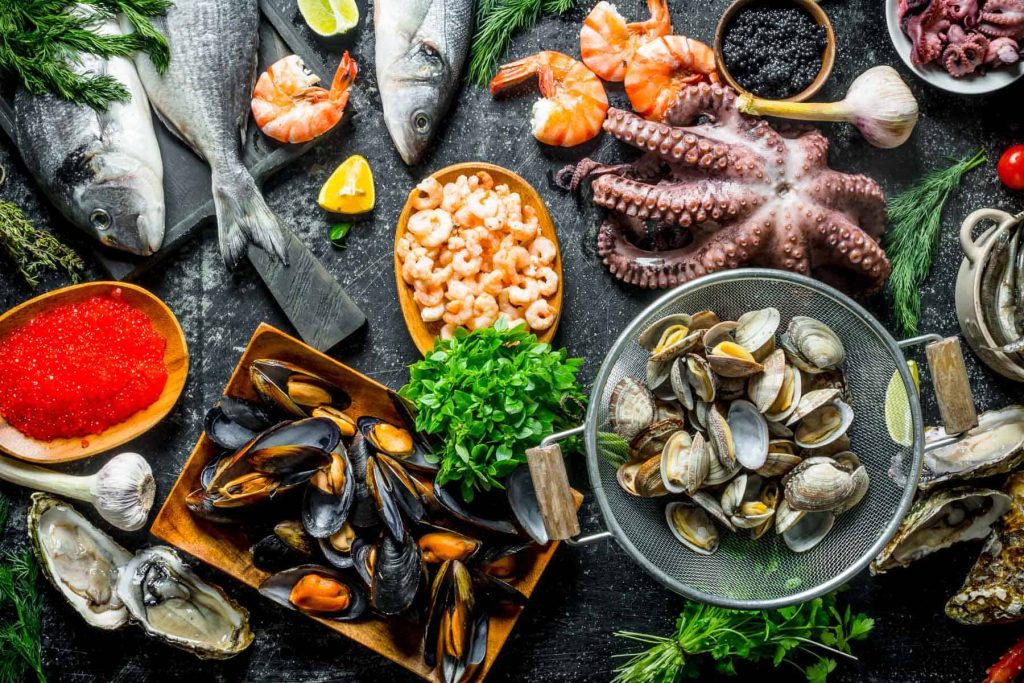
Why Meat and Seafood Matter
Meat and seafood are excellent sources of high-quality protein, essential vitamins, and minerals that support overall health. Here’s why they’re so valuable:
- High-Quality Protein: Both meat and seafood provide all nine essential amino acids, crucial for muscle repair, growth, and overall body function.
- Rich in Micronutrients: Red meat is packed with iron, zinc, and vitamin B12, while seafood offers omega-3 fatty acids, iodine, and selenium, supporting heart, brain, and immune health.
- Energy and Satiety: The protein and healthy fats in meat and seafood keep you full longer, making them great for balanced meals and weight management.
- Versatile Flavors: From grilled salmon to slow-cooked brisket, these foods offer endless culinary possibilities to suit any palate.
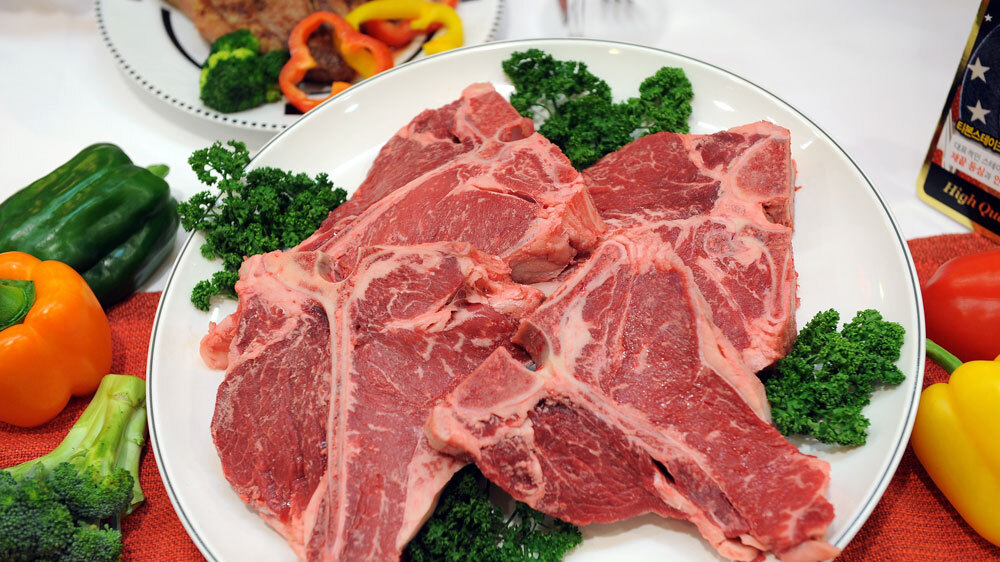
Breaking Down the Benefits
Meat: Powerhouse of Strength
- Red Meat (e.g., beef, lamb): Rich in heme iron, which is easily absorbed and vital for oxygen transport and energy. Also high in B12 for nerve function and zinc for immunity.
- Poultry (e.g., chicken, turkey): Leaner options that provide protein and B vitamins with less saturated fat, ideal for heart-conscious diets.
- Pork: A versatile meat with a good balance of protein and fats, plus thiamin for energy metabolism.
Seafood: Ocean’s Nutritional Gems
- Fatty Fish (e.g., salmon, mackerel, sardines): Loaded with omega-3 fatty acids, which reduce inflammation, support heart health, and boost brain function.
- Shellfish (e.g., shrimp, crab, oysters): High in protein, low in calories, and rich in minerals like zinc, copper, and selenium. Oysters are especially known for their zinc content, great for immune support.
- White Fish (e.g., cod, tilapia): Lean and mild, perfect for light meals and a great source of protein and B vitamins.
Tips for Adding Meat and Seafood to Your Diet
- Choose Quality: Opt for lean cuts of meat (like chicken breast or sirloin) and sustainably sourced seafood to maximize health benefits and support ethical practices.
- Mix Up Cooking Methods: Grill, bake, or pan-sear for healthier preparations. Avoid excessive frying to keep saturated fat intake in check.
- Balance with Plants: Pair meat or seafood with colorful vegetables for a nutrient-dense meal, like grilled salmon with asparagus or steak with a side salad.
- Portion Control: Aim for 3-6 ounces per serving (about the size of a deck of cards) to balance protein intake with other food groups.
- Explore Global Flavors: Try new recipes like fish tacos, beef stir-fry, or shrimp curry to keep your meals exciting and diverse.
Fun Facts About Meat and Seafood
- Beef is a nutrient heavyweight: A 3-ounce serving of beef provides nearly half of your daily protein needs and over 10% of your daily iron.
- Oysters are aphrodisiacs? They’re packed with zinc, which supports reproductive health, giving some truth to the romantic lore!
- Fish is brain food: Omega-3s in fatty fish like salmon are linked to improved cognitive function and lower risk of dementia.
- Chicken is universal: It’s one of the most consumed proteins globally, featured in dishes from tandoori to fried chicken.
A Sample Day of Meat and Seafood Meals
- Breakfast: Scrambled eggs with smoked salmon and a side of avocado.
- Lunch: Grilled chicken breast with quinoa and roasted vegetables.
- Snack: Tuna salad on cucumber slices or a handful of beef jerky.
- Dinner: Baked cod with a lemon-herb crust, served with sweet potato mash and steamed green beans.
Things to Keep in Mind
- Moderation is Key: Red meat is nutritious but high in saturated fat, so enjoy it a few times a week and balance with leaner proteins like poultry or fish.
- Sustainability Matters: Choose wild-caught or sustainably farmed seafood to support ocean health. Look for certifications like MSC (Marine Stewardship Council).
- Food Safety: Cook meats to safe internal temperatures (e.g., 165°F for poultry, 145°F for fish) and store seafood properly to avoid spoilage.
Conclusion
Meat and seafood are more than just delicious—they’re nutritional powerhouses that bring flavor and vitality to your plate. By choosing high-quality sources, preparing them thoughtfully, and pairing them with vibrant vegetables, you can create meals that are both satisfying and good for you. Whether you’re grilling a steak or savoring a seafood platter, these foods offer endless ways to nourish your body and delight your taste buds.
What’s your favorite meat or seafood dish? Share your go-to recipes or cooking tips in the comments, and let’s inspire each other to savor the best of land and sea!